



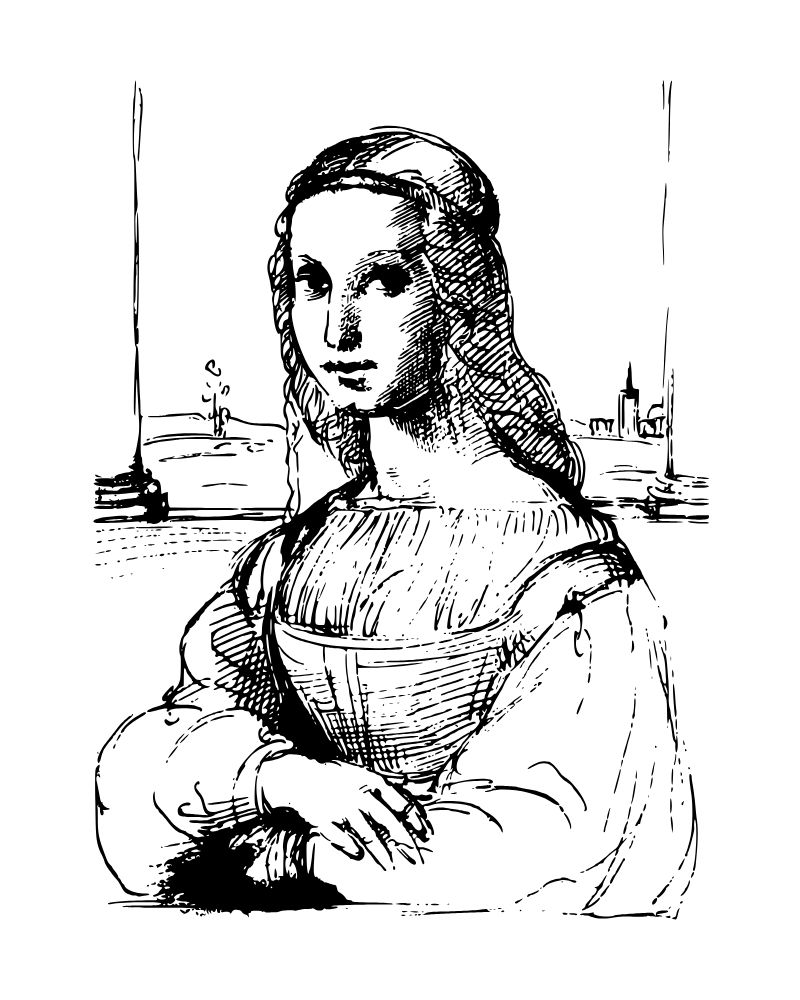
For most of history, the female body was not an object of research nor an autonomous source of knowledge. It functioned as a carrier of moral norms and social control. Menstruation existed as a taboo, childbirth as a domestic event subject to judgement rather than care, sex as a sphere of sin, obligation or risk. A woman pregnant outside marriage lost her family, status and future not because biology dictated it, but because the community treated her body as evidence of guilt.
Within the same logic, labour pain was considered natural and necessary for centuries. Pain relief was framed as an interference with the order of things, even as a threat to moral balance. In the nineteenth century, doctors held serious debates over whether easing childbirth pain violated God’s plan. This is not metaphor or journalistic exaggeration. These are records found in documents, textbooks and medical decisions. Female suffering was expected to be quiet, dignified and free of demands, because that was the form deemed acceptable.
Medicine built around one type of body
This is not an opinion. It is a fact.
Until the 1990s, women were systematically excluded from clinical trials. The official justification pointed to complex biology, hormonal cycles and the risk of pregnancy. In practice, it meant one thing: treatment standards, drug dosages and symptom descriptions were based on the male body as the default norm.
The US National Institutes of Health have formally acknowledged that women were underrepresented in research for decades and that sex differences in symptoms of heart disease, pain and treatment response were ignored. Studies published in Nature Human Behaviour and The BMJ show that women’s pain is more likely to be dismissed, attributed to emotions or psychology, and diagnosed later than men’s. Endometriosis is diagnosed on average seven to ten years after the first symptoms appear. This is not a failure of biology. It is the result of how the system was constructed.
When pain affects millions of women and fails to become an urgent research priority for decades, this is not coincidence. It is a matter of priorities.
“It’s biology.” The system’s most convenient excuse
At this point, a familiar sentence usually appears, delivered with relief: it’s biology. Periods, pregnancy, hormones, nature, evolution. And this needs to be said clearly: it is not the fault of any individual man. Stefan from the block did not design the uterus, set pain thresholds or decide who bleeds and who does not.
The problem never began with biology.
It began after it.
Biology describes phenomena. Society decides whether they are researched, treated, supported or ignored. For a very long time, the decision was simple: this is normal, endure it. Pain was reframed as a character trait, endurance as proof of maturity, complaint as weakness. Equality was never meant to erase bodies. It was meant to stop bodies being used as a convenient excuse for systemic irresponsibility.
Silence as a tool for regulating women
Silence around female experience was not accidental. It functioned as a mechanism that kept the world in order. Menstruation went unspoken. Miscarriages were hidden. Pain during sex was ignored. Postnatal depression was left undiscussed. What is not spoken about does not demand care. What is labelled female is confined to the private sphere. What is called natural is deemed unworthy of treatment or intervention.
This mechanism still operates today, only dressed in modern language. Instead of open prohibitions, we hear soothing phrases: everyone has it, others cope worse, it’s hormones, you’re overreacting. The wording is softer, but the meaning is unchanged. Female pain remains background noise rather than a problem.
Who really pays for “normal” pain
Ignoring women’s pain has an economic dimension that is rarely discussed, precisely because it is uncomfortable. Years without diagnosis mean private appointments, self-funded tests, sick leave taken quietly, working through pain, turning down promotions and interruptions to careers. The cost of health is shifted onto the individual, while the system saves money by declaring suffering normal.
At the same time, the same body is treated as an economic risk. Periods, pregnancy, childbirth, postpartum recovery and menopause are used as reasons to hire women less willingly, assess them more harshly and push them out of the labour market more quickly. Women pay twice: first with their health, then with their economic position. All of it justified under the banner of nature and normality.
Where the system still operates without a mask
This conversation does not move at the same pace everywhere. In many countries, menstruation still means exclusion, lack of education and no access to basic hygiene products. Childbirth takes place without medical care, pregnancy outside marriage is socially punished, and female pain remains entirely invisible. There is no talk of cracks in the system there. The system functions in full.
That is why speaking about women’s pain is not a Western luxury. It is a global issue. The forms and language differ, but the meaning stays the same: women’s suffering is treated as something to be lived with.
If pain affects half of humanity, why is it still background noise?
If women’s pain has been considered normal for centuries, it is worth asking who benefited from that belief. If menstruation was taboo, who gained from the silence. If childbirth was meant to hurt, whose order did that protect. If we still hear “it’s biology”, why does the answer almost always end at the female body.
You suffer and you are a woman. That is not normal. What was normal was the conditioning to accept suffering because it suited someone for a very long time. When pain affects half of humanity and remains background noise for centuries, the problem was never biology. The problem was a system that learned how to live with that pain.
Sources and context
• National Institutes of Health (NIH): underrepresentation of women in clinical research
• Nature Human Behaviour: bias in the assessment of women’s pain
• The BMJ: differences in diagnosis and treatment between women and men
• World Health Organization (WHO): endometriosis and diagnostic delays


Rooms first. Then opinions.
Get your key