



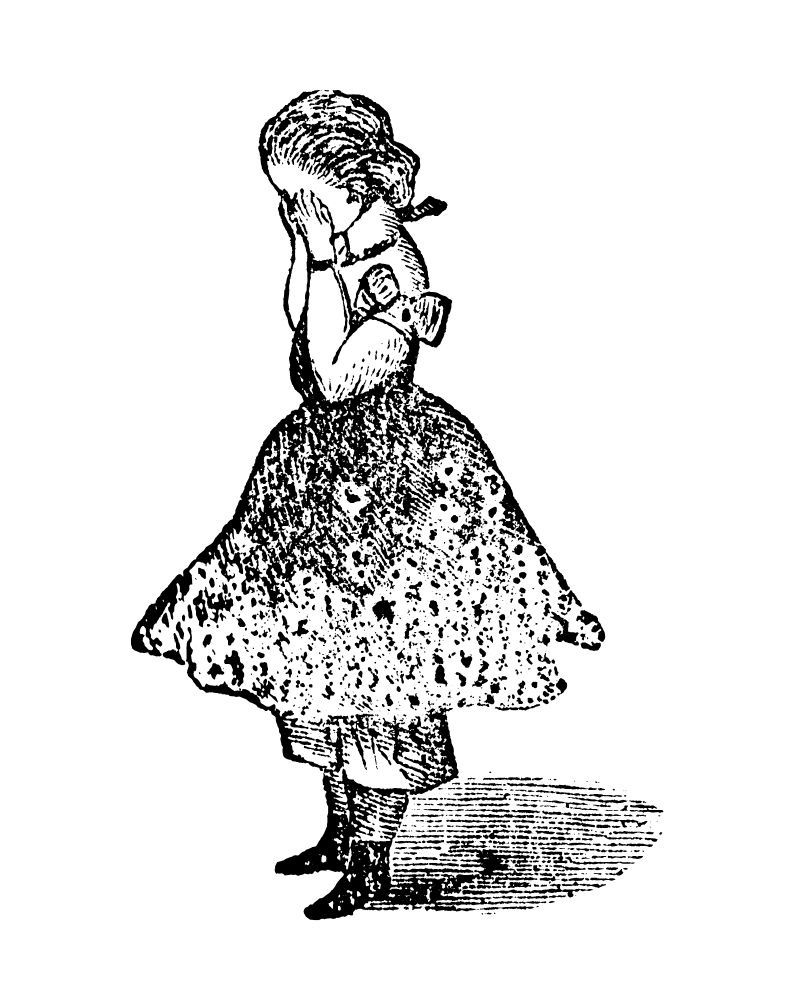
Let’s drop the whole soft, Instagram version for a second. Your inner child is not some tiny, fragile version of you sitting somewhere inside, waiting to be comforted. It’s much less poetic than that. It’s a set of emotional reactions you learned early on, when you had no control, no power, and no real way out. So you adapted. You learned how to read people, how to stay quiet, how to become easier, softer, less “problematic”. And because it worked, your brain kept it. Not as a memory, but as a system. That’s why today you can be fully aware, fully grown, and still feel that same pull in your body – the need to fix, to stay, to explain, to not lose someone. That’s not your personality.
Jung Didn’t See You the Way Freud Did
For Sigmund Freud, your childhood was a problem to solve. Something that left marks, distortions, tensions you carry into adulthood whether you like it or not. In his world, you are shaped by what happened to you, and most of it sits below the surface, quietly influencing everything. Then there’s Carl Jung, who didn’t see you as broken from the start. He saw something far more unsettling – that there is a part of you still forming, still unfinished, still capable of becoming something else. Not just a past to analyse, but a direction you can either follow consciously… or keep repeating unconsciously. And that’s the difference no one really talks about. Freud explains why you are the way you are. Jung forces a much more uncomfortable question: if you can see it, why are you still letting it run your life?

So Why Do You Still Do It?
Because what you call “healing” often feels safer than actual change. Going back, analysing, understanding – it gives you a sense of movement without forcing you to do anything differently. You can sit in awareness for years and still choose the same people, the same dynamics, the same emotional patterns, just with better language to explain them. And the truth is, a part of you prefers it that way. Because real change is not gentle, it’s disorienting. It removes the familiar, even if the familiar is painful. It forces you to act differently before you feel ready, before it feels natural, before it feels safe. And most people don’t stay in their patterns because they don’t understand them. They stay because, on some level, those patterns still feel like home.
The Comfort of Staying the Same
Maybe you genuinely believe you like yourself enough not to change. Maybe you think you already see things clearly, so if something keeps going wrong, the problem must be on the other side. They should communicate better, should be more consistent. They should finally meet you at your level. Sounds fair, doesn’t it?
But here’s the uncomfortable part. If the same dynamics keep showing up in slightly different forms, at what point do you stop calling it coincidence? At what point do you stop focusing on who they are… and start looking at what you keep choosing, tolerating, or explaining away?
This isn’t about blaming yourself. It’s about noticing something far more useful. Understanding someone perfectly changes nothing if you still remain where you shouldn’t be. Red flags can appear early and still lose their meaning the moment you decide they are not enough to walk away. Clarity does not automatically translate into action. Even when you know exactly what does not work for you, it is surprisingly easy to bend around it, adjust, minimise, and keep everything just stable enough to continue.
At Some Point, It Stops Being Healing
Of course, you can keep healing your inner child. You can sit with it, name it, understand it, even imagine that younger version of you and try to give her what she didn’t get. That makes sense, and it will always feel like you are doing something meaningful because it softens your reactions and gives you a story that explains them. However, there is a point where understanding stops moving anything forward and starts quietly holding everything in place.
You can know exactly where your patterns come from and still repeat them, you can feel compassion for yourself and still choose what hurts you, and you can spend years going back to the same origin without ever interrupting what is happening now. So the real question is no longer whether your inner child exists or whether it deserves care, the real question is whether you are still letting it lead your decisions while calling it healing. Because once you see that clearly, you cannot unsee it, and then it is no longer about your past at all, it is about whether you are willing to act against what feels familiar even when it does not yet feel natural.



Rooms first. Then opinions.
Get your key