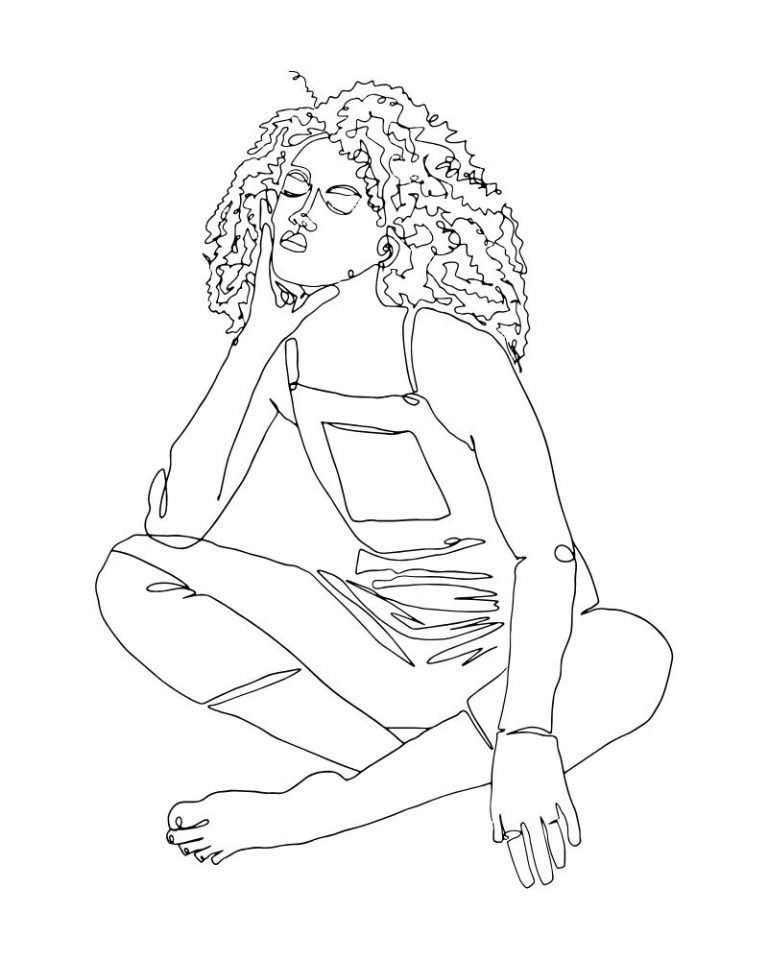


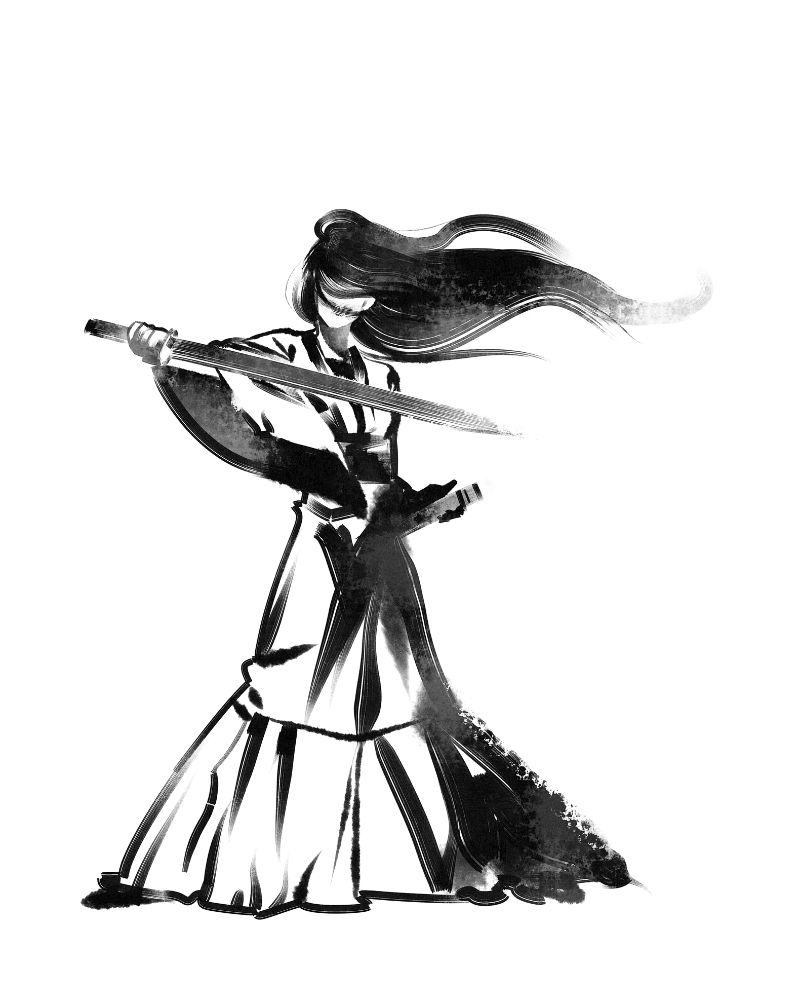
There is a point where pain shifts into something else. Not when it fades, but when it starts making sense in a way you can’t ignore. The shift is quiet at first. A small internal click. A clarity that shows up without permission. You don’t fall apart. You simply stop pretending that the old way still works.
Many women call this moment rock bottom. Psychologists call it cognitive dissonance resolution, the instant your mind stops tolerating a story that no longer protects you. Research from UCL suggests that this shift triggers a survival-pattern response, sharpening awareness and pushing the brain into a corrective state. Most of us mistake this for heartbreak. It’s not. It’s recognition arriving late.
The psychology of female rage and why it frightens people
Female rage has been mislabelled for centuries. People call it chaos, hysteria, loss of control, anything that makes it sound like a malfunction. In reality, anger in women is a form of awareness. It is a map of everything you ignored because being agreeable felt safer.
A study in Psychology of Women Quarterly found that women who allow themselves to experience anger without shame develop stronger boundaries, clearer judgement and a higher sense of personal agency. The problem is simple. Most women were trained to swallow their anger before it could form a coherent sentence. So it sinks deeper. It settles in the spine. It smoulders. Until one day it is not a burn anymore, it is fuel. People fear that version of you not because you are losing control, but because you are finally taking it back.
Pain is information, not identity
Pain is information. Most of us rush to soothe it, numb it or outrun it, but pain behaves like a language. It points. It signals. It demands to be interpreted before you try to heal it. What pattern kept repeating. Who you defended when you should have defended yourself. Why you believed you deserved less.
The mind stores everything: old loyalties, attachment wounds, childhood conditioning, emotional neglect. When the pain becomes too much, it isn’t failure. It is the last layer of denial peeling away. You don’t weaponise pain by ignoring it. You weaponise it by understanding what it is telling you.
Stop trying to be graceful about your wounds
The world admires a graceful woman. Polished. Composed. Manageable. But there is nothing graceful about surviving emotional damage. Healing is not aesthetic. It is labour, exhaustion, resistance and honesty. It is the version of you sitting on the floor whispering that you can’t keep living like this. Trying to heal beautifully is another performance. You don’t need it. Real transformation looks uneven and unpolished, but it is the only version that lasts.
Weaponising your hurt: the actual process
Weaponising your hurt is not poetic. It is methodical.
First: name the source. It might be a person, a belief, a history or years of self-abandonment.
Second: ask the right questions. What did this pain uncover about you. What threshold did it expose. What strength did it force you to develop.
Third: remove romanticism. Extract the lesson. Leave the rest.
Fourth: build boundaries with precision. A boundary is behaviour repeated consistently without apology.
Fifth: change your response pattern. If silence was your default, speak. If pleasing was your safety, stop. If endurance was your worth, choose ease.
Sixth: redirect the energy. Power can be quiet. Focus, discipline, clarity and a goal you guard like oxygen.
What changes when a woman stops apologising for her anger
Once you stop apologising for your anger, your life restructures itself. You stop negotiating your value. You stop shrinking in conversations. You stop absorbing emotional debris from people who refuse to manage their own. You stop choosing peace that destroys you. You become calm in a way that is no longer fragile. You become firm in a way that doesn’t need explanation. People sense the shift before you say a word.
The dark feminine: controlled fire, not chaos
The dark feminine concept has been twisted online, but its core is useful if stripped of theatrics. It is simply self-possession. Not manipulation. Not seduction. Ownership. You acknowledge your shadow without drowning in it. You use sensitivity without weaponising it against yourself. You express anger without letting it scorch everything around you. Controlled fire. That is the art.
The woman you become afterwards
There is a version of you waiting on the other side of all this. She is not softer or harder. She is clearer. She stops asking for closure. She stops performing worthiness. She stops carrying guilt that does not belong to her. She trusts her signals. She trusts her anger. She trusts her sense of danger.
You do not need to get over what hurt you to become powerful. You need to stop letting it direct your choices. Weaponising pain is not revenge. It is reclamation. It is the moment you understand that nothing that happened to you has the right to define you. Not anymore. And that quiet, deliberate shift is where your story turns.