

When a woman believes she has no talent, it is almost always because she spent years learning how to survive, not how to shine. She learned to observe moods in a room before she learned to pitch an idea. She learned to calm storms in other people before she learned to express her own voice. She learned how to disappear, adapt and predict danger because safety meant obedience, not expression.
Those skills never show up on a CV. Yet they shape a mind that can analyse human behaviour faster than any textbook. They build emotional intelligence so acute it could cut glass. They create intuition that is almost forensic. But society calls all of this “soft skills” and expects women to be grateful for barely surviving, instead of recognising that survival itself is expertise.
The world has always rewarded people who offer meaning. People who speak honestly. People who give language to experiences most humans feel but cannot articulate. People who hold a light under the darker corners of life and say, quietly but clearly, “I’ve been here too.” That is what makes talent visible. Not certificates. Not approvals. Not praise from people who never lived your life. What makes talent visible is truth, and women who suffered often carry more truth than anyone else in the room.
Pain becomes valuable the moment you stop hiding it
We live in a world obsessed with watching each other. Not out of malice, but out of hunger for connection. People study strangers online the way previous generations studied novels and diaries. They search for proof that their own chaos is not unique. They look for someone who survived what they are barely holding together.
This is why content built on honesty travels fast. Not because trauma is entertainment, but because truth is oxygen. A woman writing about her breakdown at midnight reaches more hearts than a thousand polished “life coach” reels. A confession about leaving someone who was meant to love you teaches more about courage than an entire bookshelf of motivational literature. A story about rebuilding your identity after betrayal carries more insight than a university lecture.
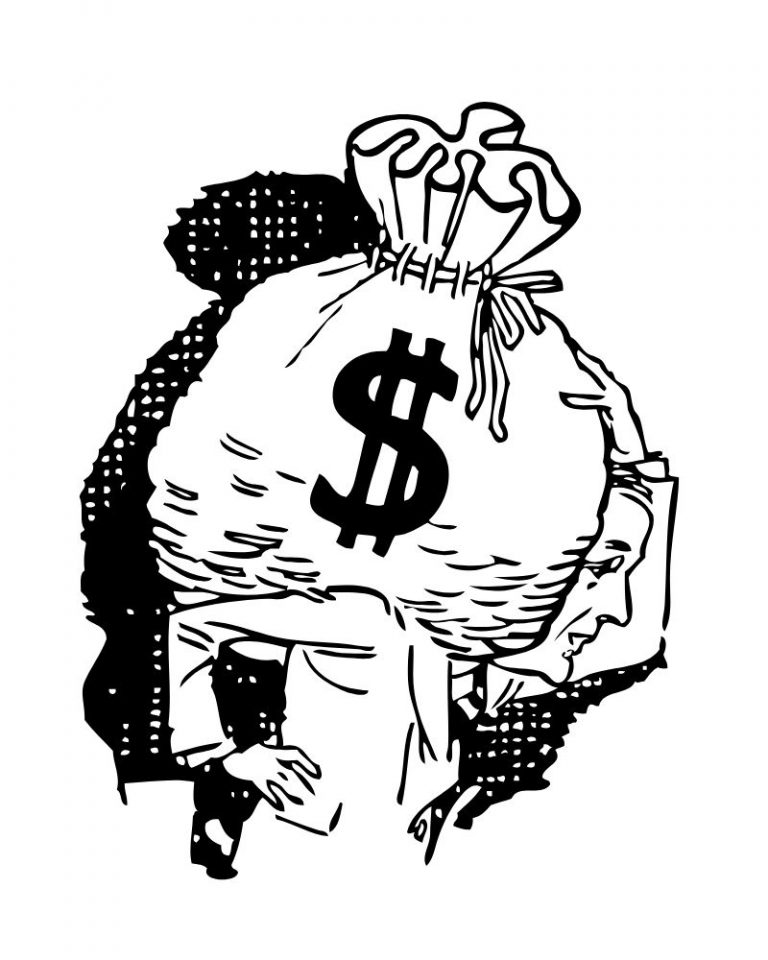
Your pain is not spectacle. Your pain is data. It is lived experience that others recognise instantly. When you speak it, you become a mirror. And mirrors are irresistible, because people see themselves without being judged. The moment your pain becomes language, it becomes valuable. The moment it becomes valuable, it becomes usable. And the moment it becomes usable, it becomes something every creator, entrepreneur and writer eventually understands: an asset.
People are not monetising their talents. They are monetising their perspective
Look around. The most successful creators, writers, therapists and entrepreneurs are not the ones with the smoothest lives. They are the ones who transformed their experiences into frameworks, insights, teachings and stories. They learned how to translate suffering into knowledge. They learned how to turn confusion into clarity. They learned how to make meaning out of the moments that once crushed them.
This is not exploitation. This is transformation. It is the oldest form of creation. Every memoir, every poem, every psychological breakthrough, every piece of iconic art began with someone who felt something deeply and refused to let that feeling die in silence. They studied it. They shaped it. They turned it into language and structure, and that language helped other people understand themselves.
Your perspective is not ordinary simply because you lived it. You are one of the few who can articulate what others only feel. This is talent. Talent is not a beautiful singing voice. Talent is witnessing your own life with enough clarity that you can give meaning to someone else’s.
Your history is the curriculum. Your voice is the teachable skill
Women often believe they have nothing to offer because their lives were messy, complicated or painful. Yet these are the exact lives that shape the strongest creators. A woman who spent years masking her emotions understands human communication better than any corporate trainer. A woman who survived a manipulative partner reads subtext in conversations instinctively. A woman who rebuilt her life from zero understands discipline more deeply than someone who grew up safe.
The market doesn’t pay for perfection. The market pays for perspective. It pays for experience distilled into clarity. It pays for stories that give people direction, relief or recognition. When you think you have nothing to teach, it is usually because you are standing too close to yourself.
Your history contains lessons. Your breakdowns contain patterns. Your healing contains frameworks. Your reflections contain wisdom that other women are desperate to find. You do not need to fabricate expertise. You already lived it.
Your story is not embarrassing. It is evidence
Many women hide their stories because they fear judgement. They fear being seen as weak, dramatic or damaged. But the truth is simple: when you hide your story, you hide your power. Your story is not proof that you failed. It is proof that you endured. It is proof that you healed. It is proof that you learned.
And most importantly, it is proof that you can guide others. People do not want perfect mentors. People want honest ones. They want someone who survived what they are terrified to face. They want someone who understands the nuances, the shame, the fear, the confusion. They want someone who has walked the road and can explain the terrain.
You have already done the hardest part. You lived through it. Now the second part begins: using what you lived to build something that pays you back.
You never lacked talent. You lacked permission
Your talent was never missing. It was muted. You were trained to stay small, to stay quiet, to perform emotional labour for others instead of intellectual labour for yourself. You were rewarded for tolerating discomfort, not for analysing it. You were praised for surviving, not for thinking.
But now you get to decide differently. You get to decide that your life has value beyond its survival. You get to decide that your story is not a secret. You get to decide that your pain does not end with you. You get to decide that your talent is not hidden; it is simply unclaimed.
When you stop waiting for someone to validate your ability, you begin to move differently. You stop chasing jobs that drain your worth. You stop accepting silence as safety. You stop apologising for your mind. You begin to write, create, speak, teach or build from a place of ownership instead of fear.
And that is the moment your life shifts.
Not because you suddenly gained talent, but because you finally recognised the truth:
Your talent was always there.
You simply never monetised your pain.