

People cling to the idea of control because it makes life feel predictable and safe, but the truth is far stranger. Most women have moments when they say, “I don’t know why, but I just knew I had to do it,” and that sentence alone destroys the fantasy of full autonomy. Something inside moves first. We follow. Psychology frames it as intuition. Neuroscience frames it as pattern recognition. Ancient traditions call it karma. It doesn’t matter what language you use; the experience is universal. You feel pulled and you justify it later. When you look at the patterns you repeat: the partners you choose, the opportunities you avoid, the chaos you recreate, the question becomes unavoidable. Are these conscious decisions, or is fate simply using you as an instrument?
The Breaking Point
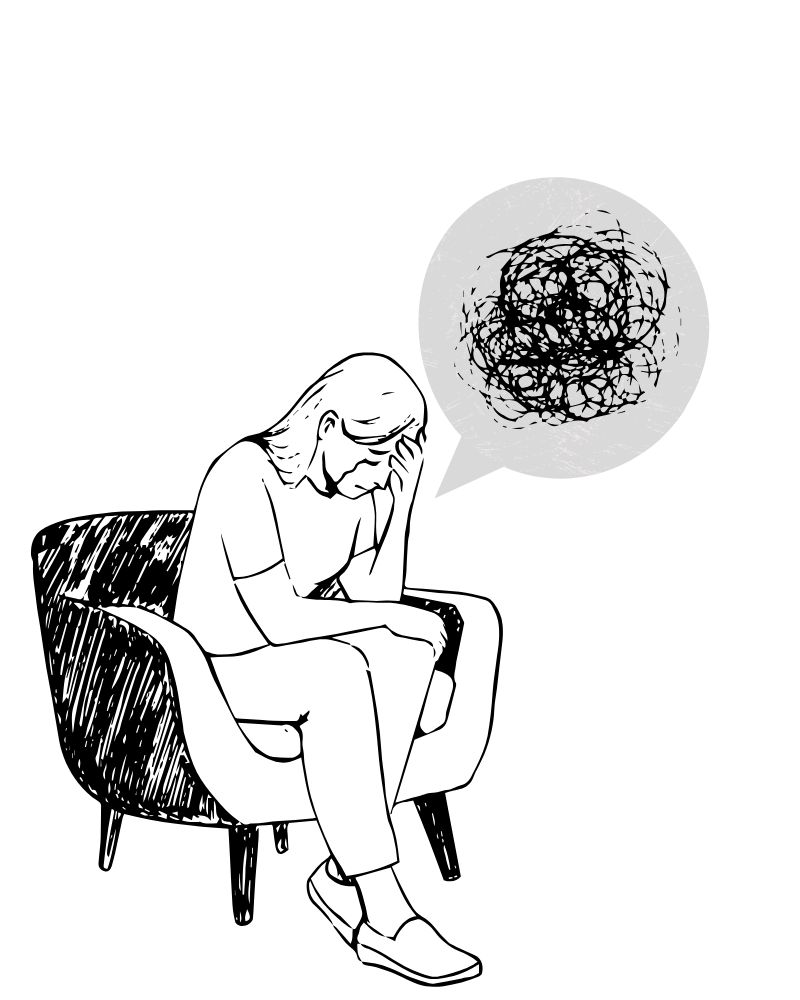
There comes a moment in every woman’s life when she cannot carry one more expectation. It arrives quietly at first. A forgotten appointment. A tear you did not feel coming. A sharp silence when someone asks what you want. Most people think they are losing control in these moments. Yet something else is happening. The mind stops negotiating. It stops explaining. It stops protecting the parts of you that want change. Ancient texts describe this as the cracking of the vessel. It is the point where the old identity can no longer hold the weight of the life you built on top of it.
Psychologists call it cognitive collapse, but the effect is the same as in the temples of old. When the structure breaks, the truth rushes in. Not because you seek it, but because you cannot block it any more. The woman you were is exhausted. The woman you are becoming is waiting.
The Old Wisdom
Ancient philosophers believed the mind has two voices. The surface voice, shaped by culture, duty and fear. And the deep voice, shaped by experience, instinct and something older than reason. Exhaustion silences the surface voice. That is why truth feels louder when you are tired. It is not sudden insight. It is the original voice returning.
The Stoics wrote about this moment as a clearing. Hermetic teachings described it as the purification before revelation. In Egyptian texts, the seeker had to walk through the night of the mind before meeting any form of wisdom. These ideas were not dramatic metaphors. They were practical observations about human psychology long before psychology existed.
The Modern Mind Catches Up
Today neuroscience explains what the ancients understood intuitively. When the mind is overloaded, the prefrontal cortex shifts into conservation mode. The brain stops scattered thinking. It cuts through noise. It prioritises. It reveals what requires immediate change. Exhaustion becomes a spotlight. It is uncomfortable, but it is efficient. It is the moment you stop lying to yourself without even meaning to.
This is why the biggest decisions in life often happen after a quiet breakdown. Leaving a relationship. Changing direction. Ending patterns that lasted years. The tired mind is honest. It does not have the energy to pretend.
The Threshold
Every initiation in history had a threshold. A moment where the initiate was no longer who they were and not yet who they would become. Exhaustion is the modern threshold. It strips away the layers you built for protection. Suddenly the ambitions that were never yours feel heavy. The people who drain you become obvious. The promises you made out of fear fall apart. You stand face to face with yourself.
This is not a failure. It is recognition. The ancient world would call it the return of the inner guide. Psychology calls it differentiation. Either way, it is the moment your real life begins after years spent surviving on autopilot.
The Mind That Cannot Pretend
When a woman reaches this state, she becomes dangerous in the best possible way. She stops performing. She stops explaining her choices. She stops apologising for wanting a life that feels like hers. Not because she suddenly feels powerful. She is too tired for power plays. Instead, she becomes honest. Honest with herself. Honest with what she will no longer accept. Honest about the life she cannot keep living.
Ancient cultures honoured this shift. They understood that clarity does not come from calm. It comes from collapse. Today we shame women for reaching this point, even though it marks the beginning of strength rather than the end of it.
The Return
And yet, once the collapse happens, something unexpected follows. A quiet sense of direction. You begin to recognise what truly matters. You stop carrying the weight that never belonged to you. Exhaustion becomes momentum. Not the chaotic kind, but the precise kind. Actions feel cleaner. Choices feel simpler. Life feels less crowded.
This is the return. The rise after the descent. The part ancient initiates described as walking out of the dark chamber with new eyes.
The Invitation
If you feel mentally exhausted, it does not mean something is wrong with you. It means something inside you is waking up. Ancient societies treated this state as sacred. A moment of reckoning. A doorway. A passage every woman had to walk through before her next chapter could begin.
Modern psychology treats it as a crisis, but perhaps both are true. A crisis is simply a truth arriving faster than your defences can handle. And truth, once seen, demands change.
The Question You Were Avoiding
You are here, standing at your threshold. Nothing is broken. Nothing is wasted. The mind you think is failing you is doing exactly what it was designed to do. It is clearing the way.
Now there is only one question left. The same question women have faced for thousands of years when the mind gives up the performance and reveals the truth beneath it.
If the exhaustion you fear is actually the beginning of your transformation, what will you do with it?